Introduction
If you search online, ask friends, or read finance blogs, one question keeps appearing again and again: credit card is best or not? The debate exists because many people have seen both sides—smart benefits and painful mistakes. Some users earn free flights, cashback, and strong credit scores, while others fall into debt traps. The difference is not the card itself, but how and why it is used.
In today’s digital economy, cash alone no longer gives flexibility. Online shopping, subscriptions, emergency payments, and even international transactions demand faster, safer payment options. This is where credit cards stand out. When used responsibly, they offer protection, rewards, and financial control that debit cards or cash simply cannot match.
This article breaks down the real reasons credit card is best, explains common problems, clears myths, and shares practical examples. No hype—only facts, logic, and clear guidance to help you decide wisely.
Table of Contents
Why People Search “Credit Card Is Best”
People usually type this query when they are confused. Some are beginners, others had bad experiences, and many just want clarity.
The Core Reasons Behind the Question
- Rising online payments and digital services
- Emergency expense management
- Desire to build a strong credit profile
- Fear of debt and high interest rates
The internet is full of half-truths. One article says credit card is best are dangerous, another says they are financial tools. The truth sits in the middle.
Understanding What Makes a Credit Card Valuable
A credit card is not free money. It is a short-term loan with benefits. The value comes from how it is structured and used.
Key Functional Advantages
- Buy now, pay later without interest (within grace period)
- Fraud protection against unauthorized transactions
- Detailed spending records for budgeting
- Rewards, cashback, and travel benefits
Unlike debit cards, your bank balance stays untouched during disputes. That protection alone makes a strong case.
Credit Card vs Debit Card: The Real Difference
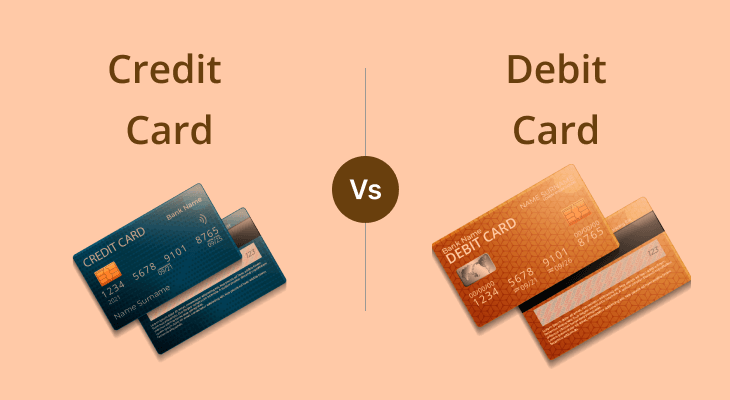
Many people assume both work the same. They don’t.
| Feature | Credit Card | Debit Card |
| Payment Source | Bank’s money | Your money |
| Fraud Protection | Strong | Limited |
| Credit History | Builds score | No impact |
| Emergency Use | High | Low |
| Rewards | Yes | Rare |
This comparison clearly shows why credit card is best for long-term financial health.
How Credit Cards Build Financial Power
One overlooked benefit is credit history. Banks and lenders trust data, not promises.
How Credit Score Improves
- On-time payments every month
- Low credit utilization (below 30%)
- Long account age
A good credit score helps with:
- Home loans
- Car financing
- Business loans
- Lower interest rates
Without a credit card, building this history becomes slow and difficult.
Real-Life Example: Smart vs Problematic Use
Smart User Scenario
Ahmed uses his credit card is best only for fuel and groceries. He pays the full bill before the due date. After one year:
- Credit score improves
- Earns cashback
- No interest paid
Problematic User Scenario
Ali uses the credit card is best for shopping sprees and pays minimum amount only.
- Interest piles up
- Debt stress increases
- Credit score drops
The card didn’t fail. Usage failed.
Why Credit Card Is Best for Emergencies
Life does not send warnings before emergencies.
Situations Where Credit Cards Help
- Medical expenses
- Urgent travel
- Device replacement
- Unexpected bills
Instead of borrowing from people or selling assets, a credit card provides instant relief—if used responsibly.
Online Shopping Safety and Buyer Protection
Online fraud is increasing. credit card is best offer legal protection that debit cards often lack.
Protection Benefits
- Chargeback rights
- Purchase insurance
- Zero-liability fraud policy
If an online store fails to deliver, your money is still protected.
Hidden Power: Rewards, Cashback, and Travel Benefts
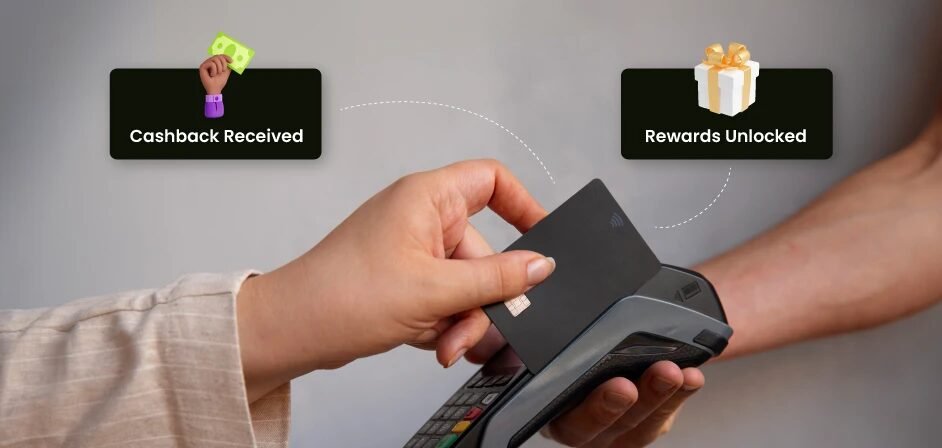
Many users ignore rewards or don’t optimize them.
Common Reward Types
- Cashback on daily spending
- Airline miles
- Hotel discounts
- Fuel surcharge waivers
Used smartly, rewards convert spending into savings.
Common Myths That Mislead People
Myth 1: Credit Cards Always Create Debt
Reality: Debt comes from overspending, not from cards.
Myth 2: Only Rich People Benefit
Reality: Middle-class users gain the most from rewards and score building.
Myth 3: One Late Payment Ruins Everything
Reality: Occasional mistakes matter less than consistent behavior.
Understanding these myths changes perception.
When credit card is best Is NOT the Best Option
Honesty matters. Credit cards are not for everyone.
Avoid Credit Cards If You:
- Can’t control impulse spending
- Ignore bills and due dates
- Depend on minimum payments
- Already struggle with debt
Financial discipline decides success.
How to Use a Credit Card the Right Way
You don’t need complex strategies. Simple rules work best.
Smart Usage Rules
- Pay full bill every month
- Keep utilization below 30%
- Set payment reminders
- Use one main card, not many
- Track spending monthly
These habits turn a risky tool into a powerful asset.
Why Banks Promote credit card is best So Aggressively
Banks earn from interest, fees, and merchant commissions. That does not mean cards are bad—it means users must stay informed.
Knowledge flips the power balance in your favor.
The Psychological Advantage of credit card is best

Using a credit card with discipline creates:
- Financial confidence
- Spending awareness
- Long-term planning mindset
You stop reacting to money problems and start managing them.
Use With Discipline (The Real Game Changer)
Many people agree that a credit card has benefits, but very few understand why discipline decides everything. This step separates people who grow financially from those who stay stressed. A credit card does not reward emotions, impulse, or excuses. It rewards control.
The biggest mistake users make is thinking the problem starts when the bill arrives. In reality, the problem starts at the time of spending.
Discipline Starts Before You Swipe
Before using a credit card, ask one simple question:
Can I pay this amount in full right now if needed?
If the answer is no, that purchase already carries risk.
Disciplined users treat their credit card like delayed cash, not extra income. They never confuse credit limit with affordability. This mindset alone prevents 70% of debt issues.
Paying the Full Bill Is Non-Negotiable
Banks love minimum payments. Users should avoid them.
When you pay only the minimum:
- Interest starts accumulating immediately
- Debt stretches for months or years
- Total cost of a small purchase doubles or triples
A disciplined user always pays the full outstanding amount, not the minimum due. This single habit keeps the card interest-free and stress-free.
Example:
Sara uses her card for monthly groceries and fuel worth 40,000. She pays the full bill every month. After one year:
- Zero interest paid
- Credit score improves
- Cashback earned
Same spending, zero damag
Credit Utilization: The Silent Score Killer
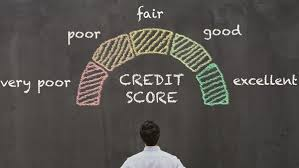
Most people don’t realize that how much of your limit you use matters more than your income.
Experts agree that using more than 30% of your credit limit regularly hurts your credit score.
Smart practice:
- Credit limit: 100,000
- Monthly usage: Keep under 30,000
This shows lenders that you are reliable, not dependent.
High utilization signals financial pressure—even if you pay on time.
Set Rules, Not Emotions
Impulse buying is the enemy of discipline. The solution is personal rules.
Some effective rules disciplined users follow:
- Never use credit card for luxury items
- No card usage after salary ends
- One major card only, no stacking
- No EMI unless income is stable
Rules remove emotional decisions. Emotions create regret; rules create stability.
Payment Reminders Save More Than Money
Late payments hurt more than your wallet—they damage trust.
Even one missed payment can:
- Drop your credit score
- Add late fees
- Increase interest rate risk
Disciplined users don’t rely on memory. They:
- Set automatic reminders
- Enable auto-debit for full payment
- Check statements monthly
This is not paranoia. This is responsibility.
Discipline Means Tracking, Not Obsessing
You don’t need complex spreadsheets. But ignoring statements is dangerous.
A quick monthly review helps you:
- Detect fraud early
- Understand spending patterns
- Cut unnecessary expenses
- Improve budgeting habits
Most people who fall into debt say the same thing later:
“I didn’t realize how much I was spending.”
Awareness fixes that.
Real Example: Same Card, Two Outcomes
User A (Disciplined):
- Uses card for essentials only
- Pays full bill every month
- Keeps utilization low
Result: Strong credit score, no stress, financial flexibility
User B (Undisciplined):
- Uses card for lifestyle upgrades
- Pays minimum due
- Ignores utilization
Result: Growing debt, anxiety, blocked future loans
The card stayed the same. Behavior changed the outcome.
Discipline Turns Risk Into Advantage
People fear credit cards because they see failures, not systems. When discipline exists:
- Interest becomes irrelevant
- Rewards become real savings
- Credit score becomes leverage
- Emergencies become manageable
This is why experts still say credit card is best, but only for users who respect the rules.
Final Thought of Step 2

Discipline is not about restriction. It is about freedom with control. A credit card gives power, but discipline decides whether that power builds your future or breaks it.
Master this step, and the credit card works for you—not against you.
Conclusion
Understand the Tool
A credit card is neither good nor bad by default. It is a financial instrument designed for flexibility, safety, and short-term credit. When people say credit card is best, they usually refer to its structure—not reckless usage.
Use With Discipline
Examples show clearly that responsible users win while careless users suffer. Paying on time, limiting spending, and tracking expenses turn a card into a financial advantage instead of a burden.
Decide Based on Behavior
If you value control, planning, and long-term growth, a credit card can be one of the smartest financial tools available today. The truth is simple: credit card is best when the user is better.
Also Read This: Best Compare Credit Cards: Smart Powerful Choices