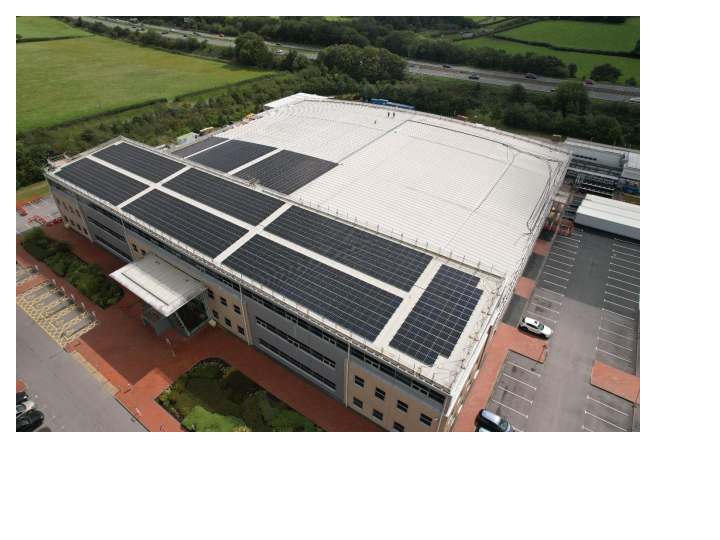
Across the UK, more businesses are turning to commercial solar panels to reduce electricity costs, lower carbon emissions, and achieve greater energy independence. With utility prices on the rise and new government incentives available, partnering with an experienced provider like Excel Energy UK enables organisations to generate clean electricity and secure long-term financial stability.
With electricity prices in the UK rising sharply over the past decade, many companies are now considering renewable energy solutions. Installing commercial solar panels is proving to be one of the most effective ways for businesses to stabilise energy costs and support the UK’s move towards clean, sustainable power.
Whether it’s a manufacturing facility, warehouse, office, farm, or retail property, solar power provides a long-term solution that delivers both environmental benefits and significant cost savings.
- The Rise of Commercial Solar Energy in the UK
Solar technology has advanced rapidly in recent years. What was once seen as a costly investment is now a highly cost-effective energy source for commercial properties.
A well-designed commercial solar installation can generate significant amounts of electricity directly from sunlight, reducing reliance on the National Grid and protecting your business from unpredictable energy prices.
The UK government continues to back renewable energy adoption with initiatives that encourage commercial organisations to invest in solar systems.
Businesses that move quickly often see the greatest rewards, from substantial energy savings and improved sustainability credentials to enhanced long-term operational efficiency.
- Why Businesses Are Choosing Commercial Solar Panels
Commercial solar energy brings a range of advantages that appeal to organisations in every sector.
- Key Benefits of Commercial Solar Panels
| Benefit | Description |
| Reduced Energy Costs | Solar systems generate electricity on-site, lowering utility bills |
| Energy Security | Businesses rely less on grid electricity |
| Environmental Responsibility | Solar power produces clean, renewable energy |
| Long-Term Investment | Solar panels typically operate for 25–30 years |
| Government Incentives | Businesses may qualify for commercial solar panel grants |
Rising electricity prices often prompt organisations to consider solar, but the benefits of installation go well beyond just reducing costs.
- How Commercial Solar Panel Installation Works
A typical commercial solar panel installation in the UK involves several key stages.
A professional solar energy provider manages the entire process, from initial planning through to system activation.
- Commercial Solar Installation Process
| Step | Activity |
| Site Assessment | Roof structure and energy usage are analysed |
| System Design | Engineers calculate the optimal panel layout |
| Planning & Compliance | Permits and grid connections are arranged |
| Installation | Panels, inverters, and mounting systems are installed |
| System Activation | The system begins generating electricity |
Each project is tailored to the energy needs of the business.
A trusted commercial solar installer such as Excel Energy UK ensures that installations comply with UK regulations and deliver reliable performance.
- Types of Businesses Using Commercial Solar Energy
Solar power is suitable for a wide range of commercial properties.
- Common Sectors Installing Solar Panels
- Manufacturing facilities
- Warehouses and logistics centres
- Agricultural farms
- Schools and universities
- Office buildings
- Retail stores
- Hospitals and healthcare facilities
Large commercial buildings often have ample roof space, providing the perfect opportunity to install solar panels and maximise on-site energy generation.
These systems can supply a significant share of a building’s electricity needs, reducing reliance on external energy sources.
- Commercial Solar Panel Grants and Financial Support
Government initiatives have played a key role in accelerating solar adoption across the UK.
A range of funding programmes are available to support organisations looking to invest in renewable energy.
- Examples of Solar Panel Grants
| Programme | Description |
| Smart Export Guarantee (SEG) | Businesses earn payments for surplus energy exported to the grid |
| Local Authority Grants | Some councils offer sustainability funding |
| Energy Efficiency Grants | Financial support for businesses upgrading energy infrastructure |
Eligibility varies depending on business size and location.
Working with an experienced commercial solar installer ensures that businesses receive guidance on available grants and incentives.
- How Much Energy Can Commercial Solar Panels Produce?
Solar systems vary in size depending on the building and energy consumption.
Below is a general comparison of system capacity.
| System Size | Approximate Panels | Typical Annual Output |
| 30 kW | 80–100 panels | 25,000–30,000 kWh |
| 100 kW | 250–300 panels | 85,000–100,000 kWh |
| 500 kW | 1,200+ panels | 420,000–500,000 kWh |
Larger commercial facilities frequently install systems with capacities exceeding 1MW.
These installations can offset a substantial portion of a facility’s operational energy use, leading to significant cost savings.
- Choosing the Right Solar Energy Company
Choosing the right partner is crucial to ensuring a successful commercial solar installation.
A reliable provider should offer:
- engineering expertise
- UK regulatory knowledge
- high-quality equipment
- long-term support
- Excel Energy UK specialises in helping businesses transition to renewable energy by delivering professional solar solutions tailored for commercial properties.
Businesses seeking a dependable renewable energy partner should look for experienced installers with a strong track record in commercial projects.
- Long-Term Return on Investment for Commercial Solar
Solar energy should be viewed as a long-term investment.
Most commercial systems pay for themselves within several years through energy savings.
- Typical Commercial Solar ROI
| Factor | Impact |
| Energy Bill Savings | Reduces electricity costs immediately |
| Government Incentives | Improves financial return |
| System Lifespan | 25–30 years of electricity generation |
| Rising Energy Prices | Solar protects against price increases |
For many businesses, the investment becomes profitable within 4–7 years depending on system size and electricity usage.
- Environmental Impact of Commercial Solar Energy
Environmental responsibility is now a key priority for UK businesses.
By adopting renewable energy, organisations can significantly reduce carbon emissions and achieve their sustainability targets. A typical commercial solar installation in the UK can prevent hundreds of tonnes of CO₂ emissions over its operational lifetime…
This approach benefits the environment and enhances a company’s reputation with customers and investors
- Why the UK Commercial Solar Market Is Growing Rapidly
A number of key trends are driving the rapid adoption of solar energy across the UK.
- Major Drivers
- rising electricity costs
- government sustainability targets
- corporate carbon reduction commitments
- improved solar technology
- increasing availability of solar panel grants
As these trends continue, we expect to see even more organisations installing solar panels to power their business operations.
- Future of Commercial Solar Energy in the UK
The UK solar market is set for significant growth over the coming decade.
Businesses are increasingly recognising that solar energy is not just an environmental choice; it is also a smart, strategic financial investment.
Forward-thinking organisations that adopt solar early often gain a competitive edge, benefiting from lower operating costs and stronger sustainability credentials.
If you would like to learn more about commercial solar technologies and installation options available in the UK, our team is here to help you find the best solutions for your business.