Table of Contents
JETLINER CABINS is an aviation website dedicated to the fascinating world of airplane interior design and passenger experience. While aircraft exteriors often receive attention for their speed, size, and technical appearance, the cabin is where passengers spend most of their journey. It is the space where comfort, functionality, safety, and visual appeal come together. Through detailed articles, thoughtful analysis, and inspiring ideas, JETLINER CABINS explores how modern aircraft interiors are designed and why they matter to travelers, airlines, and aviation professionals.
The Importance of Aircraft Cabin Design
Aircraft cabin design plays an important role in shaping the overall travel experience. A well-designed cabin can make a long flight feel more comfortable, organized, and enjoyable. Every element, from the width of the seats to the position of the lighting, is carefully considered. Designers must balance passenger comfort with practical requirements such as weight reduction, safety regulations, maintenance, and available space. Aircraft cabin design is therefore both a creative discipline and a highly technical process that requires careful planning and innovation.
Creating Comfort at High Altitudes
Comfort is one of the main goals of modern airplane interior design. Passengers want seats that provide sufficient support, enough legroom, and convenient access to personal space. Airlines also consider seat materials, cushioning, adjustable headrests, and armrest design when developing a comfortable cabin. Although aircraft cabins have limited space, intelligent layouts can improve the feeling of openness. JETLINER CABINS examines how designers use seat arrangements, color combinations, textures, and proportions to create a more pleasant environment for every passenger.
The Role of Lighting and Color
Lighting can dramatically change the atmosphere inside an aircraft. Traditional cabins often relied on bright, uniform lighting, but newer designs use carefully planned illumination to support different stages of a journey. Soft lighting can help passengers relax during nighttime flights, while brighter tones may improve alertness during boarding and meal service. Color also influences mood. Calm blue, warm beige, and natural green shades can create a peaceful atmosphere, while carefully selected accent colors can reflect an airline’s identity. These details are essential parts of effective aircraft cabin design.
Technology Inside the Cabin
Technology has transformed the passenger experience. Modern aircraft cabins may include high-resolution entertainment screens, wireless connectivity, USB charging ports, adjustable lighting controls, and digital seat features. Passengers increasingly expect access to their devices throughout the flight, making power and connectivity important parts of airplane interior design. Some aircraft also use advanced systems to improve air quality, reduce noise, and monitor cabin conditions. JETLINER CABINS follows these developments and explains how technology is becoming integrated into the cabin without making the space feel complicated or overcrowded.
Improving the Passenger Experience
The passenger experience begins before takeoff and continues until arrival. A successful cabin design considers the complete journey, including boarding, storing luggage, finding a seat, eating, sleeping, working, and using the lavatory. Clear signs, organized overhead compartments, and spacious aisles can reduce stress during boarding. Comfortable seats and thoughtful service areas improve the flight itself. Even small features, such as reading lights, privacy dividers, and accessible storage spaces, can make a significant difference. Good aircraft cabin design focuses on the needs of real passengers rather than appearance alone.
Sustainable Interior Solutions
Sustainability is becoming increasingly important in aviation. Aircraft interiors contain many materials, including plastics, fabrics, metals, and composite components. Designers are now searching for lighter, stronger, and more environmentally responsible alternatives. Reducing cabin weight can help lower fuel consumption, while durable materials can extend the life of seats and interior fittings. Some manufacturers are exploring recycled materials, plant-based fabrics, and more efficient production methods. JETLINER CABINS highlights these efforts and shows how sustainability can become a meaningful part of future airplane interior design.
Business Class and Premium Cabins
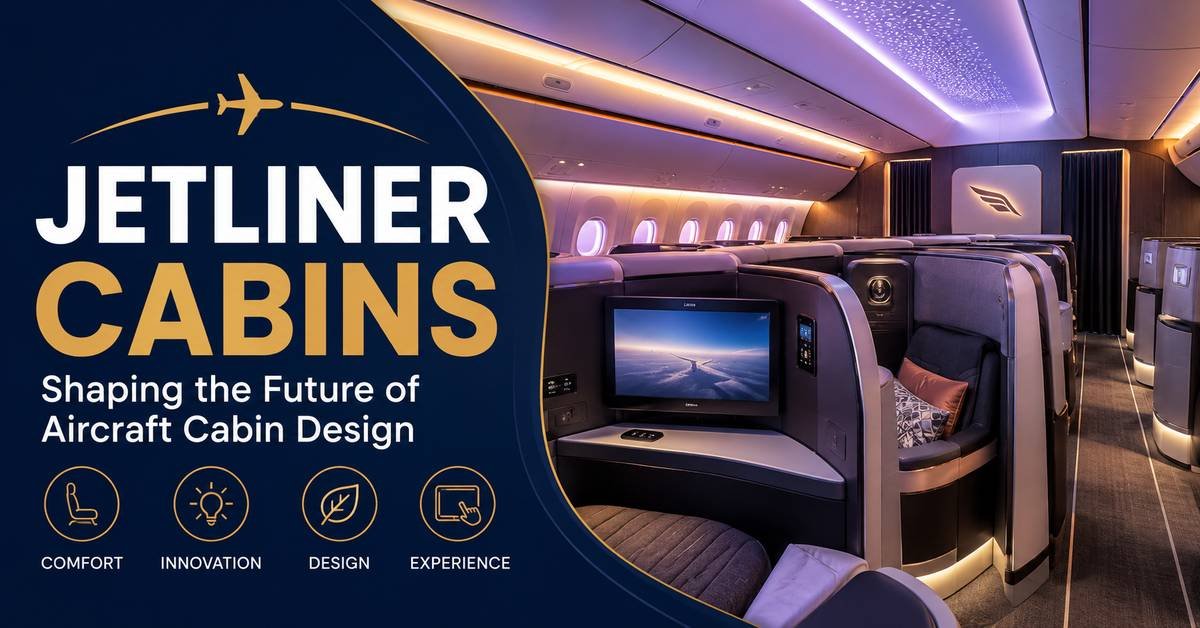
Premium cabins often demonstrate the most advanced ideas in aircraft interior design. Business class and first-class spaces may include lie-flat seats, private suites, sliding doors, personal wardrobes, and restaurant-style dining areas. These features are designed to provide privacy, rest, and a greater sense of personal control. However, premium design is not only about luxury. It also involves efficient use of space, ergonomic planning, and smooth movement for passengers and crew. By studying premium cabins, readers can understand how airlines compete through design and how passenger expectations continue to evolve.
Economy Class Innovation
Innovation is not limited to premium travel. Economy cabins also benefit from improvements in seating, lighting, storage, and entertainment. Designers are working to create seats that offer better support without adding unnecessary weight. Improved headrests, personal device holders, wider tray tables, and larger overhead bins can make economy travel more convenient. Some concepts also explore flexible seating arrangements and improved privacy features. JETLINER CABINS recognizes that most travelers fly in economy class, making this area especially important for the future of aircraft cabin design.
Safety and Practicality
Beauty and comfort must always work alongside safety. Aircraft interiors are subject to strict regulations covering emergency exits, fire resistance, seat strength, aisle access, and passenger movement. Designers must ensure that attractive features do not interfere with evacuation procedures or cabin operations. Materials must be tested, fittings must be secure, and every component must function reliably in challenging conditions. The best airplane interior design combines visual appeal with practical performance. A successful cabin is one that looks inviting while protecting passengers and supporting the crew.
The Future of Jetliner Cabins
The future of JETLINER CABINS will likely include more personalized, connected, and adaptable environments. Passengers may eventually control lighting, temperature, entertainment, and privacy settings through personal devices. Modular interiors could allow airlines to adjust cabin layouts according to route requirements and passenger demand. New seating concepts may provide greater privacy without reducing capacity, while advanced materials may create lighter and more sustainable interiors. Although some ideas remain experimental, they demonstrate how aircraft cabin design can continue to develop through creativity and technology.
Why JETLINER CABINS Matters
JETLINER CABINS provides a valuable platform for anyone interested in aviation, design, engineering, and travel. The website connects technical information with visual creativity, helping readers understand the decisions behind the spaces they use during flights. It can introduce aviation enthusiasts to historic interiors, explain current innovations, and present future concepts that may redefine passenger travel. By focusing on both aircraft cabin design and human experience, JETLINER CABINS offers a broader view of aviation and shows that the cabin is much more than an enclosed area inside an aircraft.
Conclusion
JETLINER CABINS explores how airplane interiors influence comfort, safety, efficiency, and emotion. Aircraft cabin design is constantly changing as airlines, manufacturers, and passengers search for better ways to travel. From intelligent lighting and sustainable materials to advanced technology and improved seating, each innovation contributes to a more enjoyable journey. By examining these developments, JETLINER CABINS helps readers appreciate the thought and creativity behind every flight. The future of aviation will not be defined only by faster aircraft, but also by better cabins that make every passenger feel comfortable, connected, and valued.