
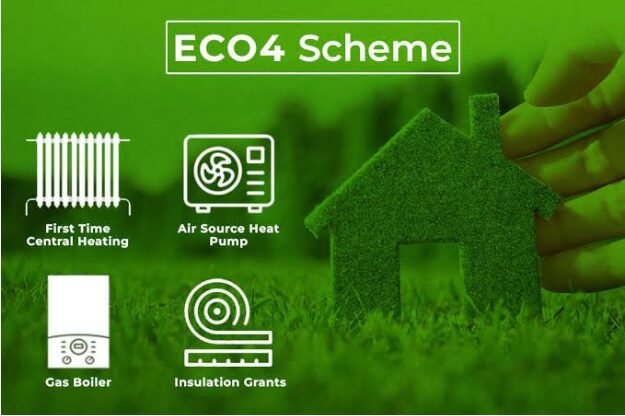
Oil-Heated homes occupy a unique position in the UK energy system. They are often considered expensive to run and quite high in emissions, and are mainly found in rural areas – but are also regularly misrepresented in terms of government support.
What many homeowners mistakenly assume is that oil heating means they will not be eligible for grants. Or that they may simply receive an upgrade to a new oil boiler. This is generally not true.
Under the ECO4 scheme, properties that are heated by oil are not excluded. In reality, these properties are often selected, but the type of support available is very specific, and it depends heavily on how the home performs as a whole.
This article establishes the position of oil-fired homes, the level of upgrades realistically supported, and why the scheme treats oil very differently from gas.
Table of Contents
Why Oil Heating Is a Priority Problem for ECO4
Oil-fired heating is not simply another energy choice to be considered. On the policy agenda, it raises three big questions:
- High and unstable running costs
Oil price is not regulated like gas or electricity. A domestic consumer might witness a large variation.
- Low system efficiency
A large number of oil boilers in many British households are more than 15-20 years old. Even when properly serviced and looked after, their efficiency is well below current standards.
- Carbon emissions
Oil releases much higher levels of CO₂ per unit of heating than gas. This means that houses heated by oil are incompatible with targets for decarbonisation.
ECO4 specifically targets homes that have high costs, poor efficiency, and poor carbon performance simultaneously, which explains why homes that are fueled by oil are commonly flagged during assessments.
Eligibility Is Not All About Fuel Type
Many sources make mistakes at this point.
ECO4 does not ask:
“Is the home oil-heated?”
It asks:
- How inefficient is the property?
- How costly is it to stay warm?
- How vulnerable is the household to the cold?
- Can a positive, long-term change be implemented?
Oil heating may add weight to the argument – but not necessarily eligibility in and of itself.
EPC Ratings: Why Oil-Heated Homes Often Qualify
Most oil-heated properties tend to fall under EPC rating categories E, F, or G.
This is not random. EPC calculations penalise for:
- Carbon-heavy fuels
- Inefficient heat generation
- Poor insulation performance
Consequently, oil-heated houses generally have poor scores even if their boiler is in good working condition.
And from the ECO4 perspective, this is important because:
- The lower the EPC ratings, the greater the potential for savings
- Enhancements lead to a quantifiable effect
- Funding will be more easily justified
This explains why oil-fired residences are often given priority for upgrading rather than being excluded.
What Types of Heating Grants Are Actually Available?
Let’s explore what type of heating grants are actually available under the ECO4 scheme:
Oil Boiler Replacement
The ECO4 is not intended to replace oil boilers with new oil boilers.
Why?
- It does not meaningfully reduce emissions
- It locks households into volatile fuel prices
- It does not achieve the aims for a low-carbon system.
In most cases, oil-to-oil replacements are rejected.
Low-Carbon Heating Alternatives (Commonly Funded)
Instead, oil-heated homes are assessed for:
- Air source heat pumps
- Full heating system conversions
- High-retention electric storage heaters
This is where Central Heating Grants may be able to help, especially in existing homes where the means of oil distribution may be inefficient or where only partial systems may be present.
Why Heat Pumps Are Commonly Recommended for Oil Homes
Oil-heated properties are often:
- Off the gas grid
- Located in rural areas
- Using large radiators or older pipework
Switching fuel types reduces long-term cost risk, and the efficiency gains are huge. This is why oil-heated homes are very often considered strong candidates for renewable energy heating systems.
Insulation Is the Real Gatekeeper
Heat pumps and modern systems require:
- Adequate loft insulation
- Reasonable wall performance
- Manageable heat loss
If insulation is poor, ECO4 may:
- Fund insulation first
- Bundle insulation with heating upgrades
- Delay heating approval until improvements are made
This is not a rejection – it’s a sequencing issue.
Household Eligibility: Benefits vs LA Flex
Oil-heated homes qualify through two routes:
- Benefits-Based Eligibility
Households getting qualifying benefits often get fast-tracked. This commonly includes Universal Credit, Pension Credit, Income Tax Credit, and many more.
- LA Flex (Local Authority Flexibility)
This is most crucial for rural homes that depend on oil heat. LA Flex allows approval based on:
- Low household income (Generally under £31,000)
- Cold-worsening health conditions
- Energy vulnerability
And many oil-heated households qualify only through LA Flex – this is intentional.
Private Tenants in Oil-Heated Homes
Private tenants are eligible, but with conditions.
Key points:
- Landlord consent is mandatory
- The upgrade becomes part of the property
- The tenant does not repay the grant
Landlords often agree because:
- EPC ratings improve
- Future compliance risks are reduced
- No upfront cost is required
Why Some Oil-Heated Homes Are Being Rejected
Rejections usually happen for technical reasons, not fuel type. Common issues include:
Common problems include:
- No suitable outdoor space
- Electrical constraints that can’t be resolved
- Listed building restrictions
These are practical limits, not policy exclusions.
Cost and Stability: The Hidden Benefit
Switching away from oil is not just about carbon. Households often benefit from:
- Predictable energy costs
- No bulk fuel deliveries
- Fewer emergency breakdowns
- Reduced maintenance complexity
While savings vary, the biggest gain is stability, which ECO4 considers a major social benefit.
Environmental Impact: Why Oil Is Being Phased Out
Oil heating is increasingly incompatible with:
- Net zero targets
- Future EPC standards
- Long-term housing policy
This is reflected in the level of ECO4 funding. The grants aim to help move homes off oil permanently, and not to extend the life of the existing oil-fired appliance.
What Oil-Heated Households Can Do First
Before applying, owners should:
- Check EPC accuracy
- Understand insulation status
- Review current heating efficiency
- Confirm space and electrical capacity
The above groundwork will help avoid applications that are rejected.
The Bottom Line
The oil-heated household is not a marginal case under the ECO4 scheme, but rather may be central to the aims of the scheme itself. Their expense, inefficiency, and carbon emissions make them very likely recipients of scheme funding, if possible in their premises to support a more efficient approach.
Despite the fact that oil boilers may never be replaced, other heating systems, such as heat pumps or central heating upgrades, could transform homes in these areas with no expense. So, the key is understanding that ECO4 is not about preserving oil heating, but about replacing it with greener solutions.
Learn More : London Tech Insight
 Admin
Admin